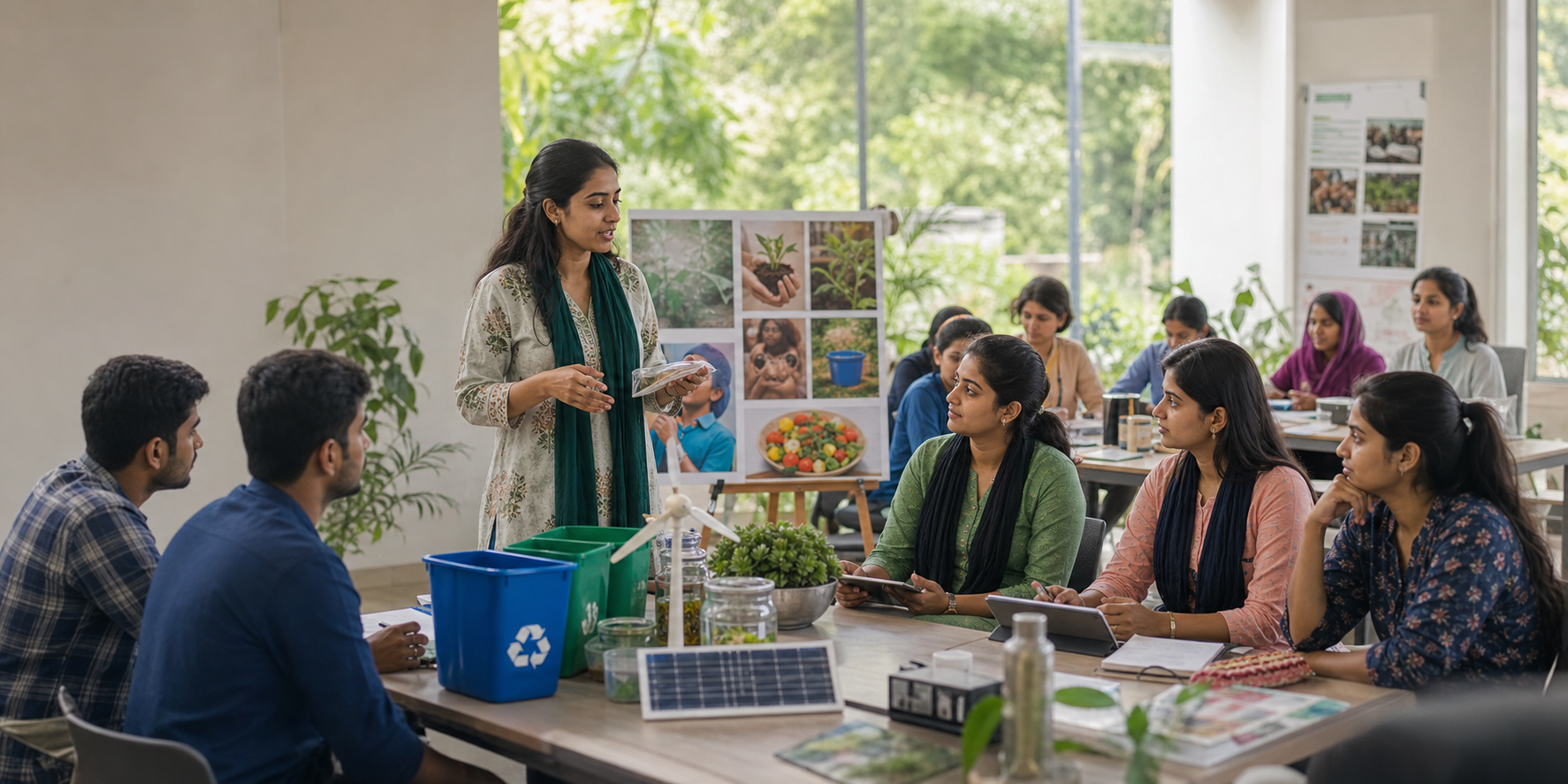
Livelihood-first social impact
Skills for livelihood. Livelihoods for a cleaner, healthier India. Skills that become livelihood.
We train underserved youth, women, and community workers for practical roles in green skills, community health, nutrition, and applied AI. Water, waste, health, AI, and creative skills for dignified work.
 Water
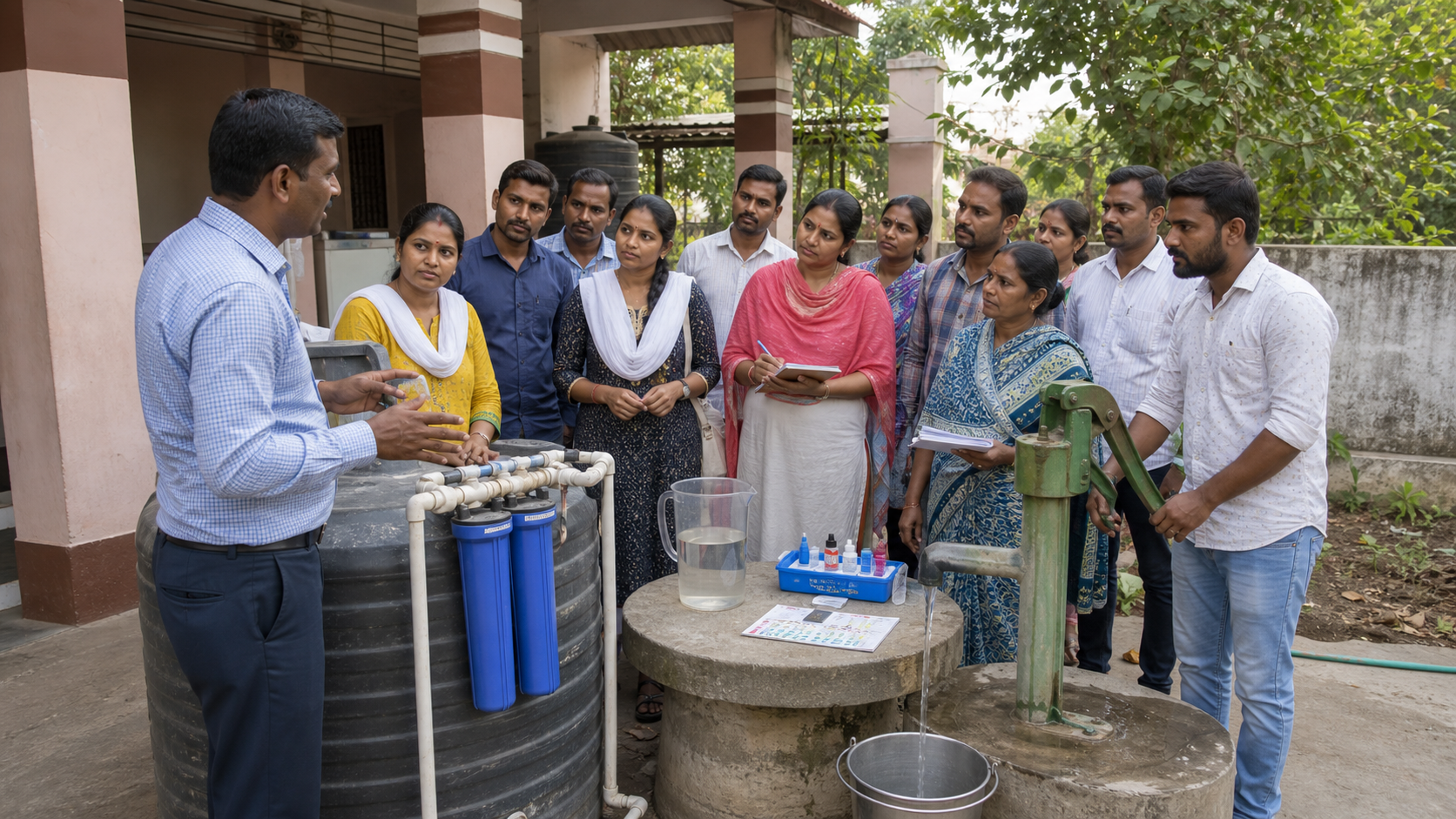
Water
 Skills
Science
Environmental expertise for coastal, waste, and ecology-linked training.
Health
Nutrition, home science, occupational health, and community education.
Governance
District program execution, policy liaison, and public systems experience.
Scale
Trainer systems, applied AI education, and institutional delivery.
The role we play
Turning public missions into local skills.
We help communities participate in clean water, clean energy, waste-to-value, health, nutrition, and digital work through practical cohorts.
Water stewardship
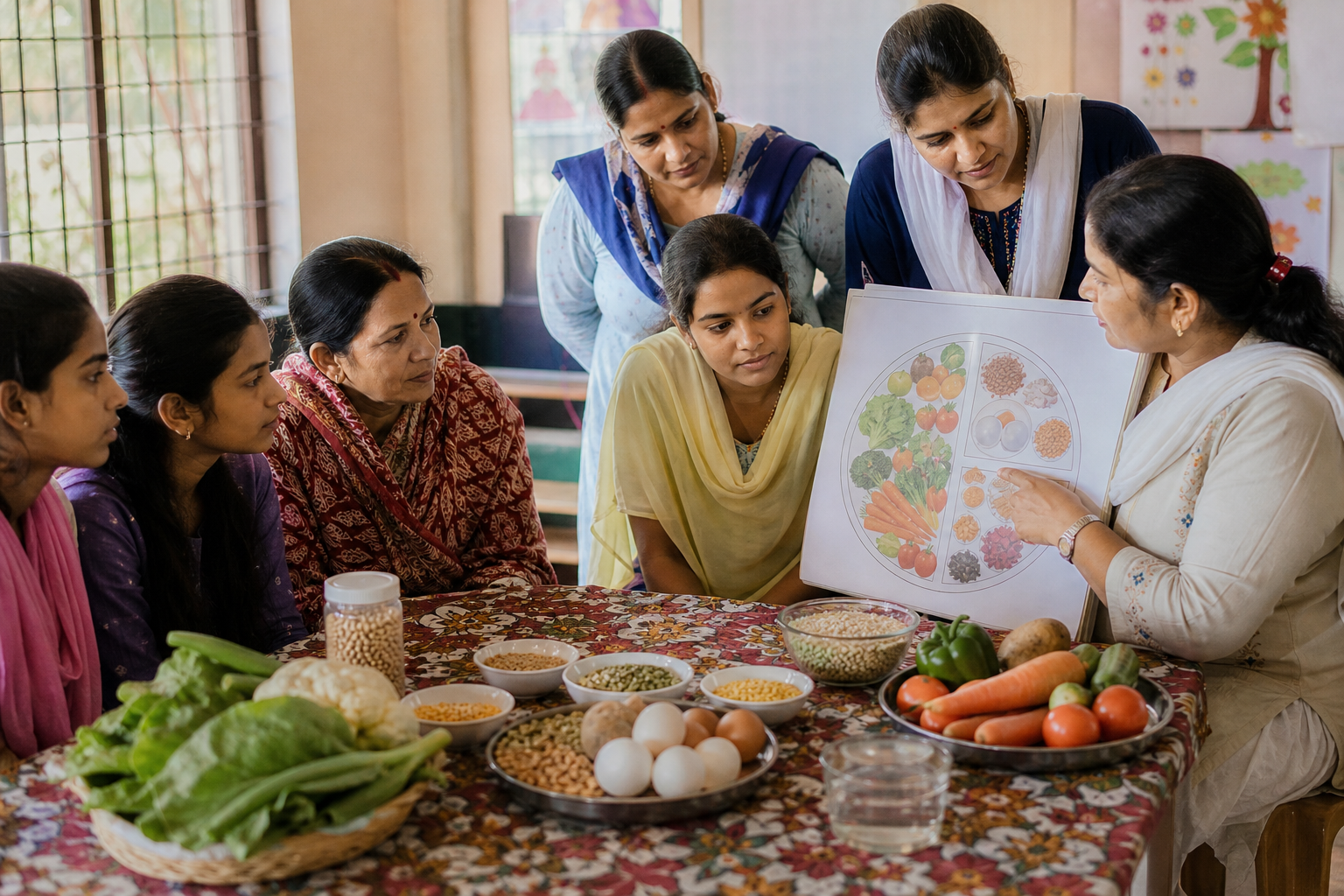 Health and nutrition
Field notes from Manipur
Upskilling has already begun in the field.
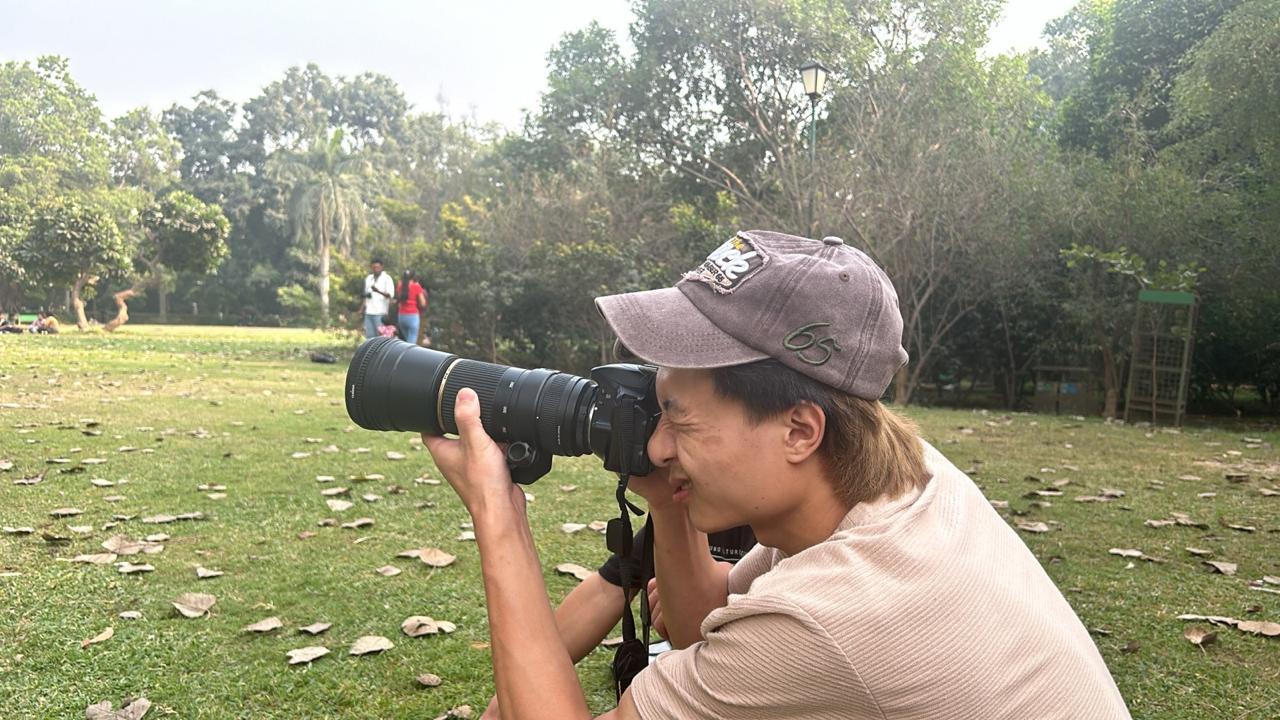
Learners from Manipur are practicing photography, visual observation, media reading, and written learning support. These are early proof points for the foundation's livelihood-first model: practical skills, local confidence, and visible participation.
The next step is to turn this field activity into a structured cohort with curriculum, consent-based stories, learner progress tracking, and partner reporting.
Field photography practice with DSLR equipment
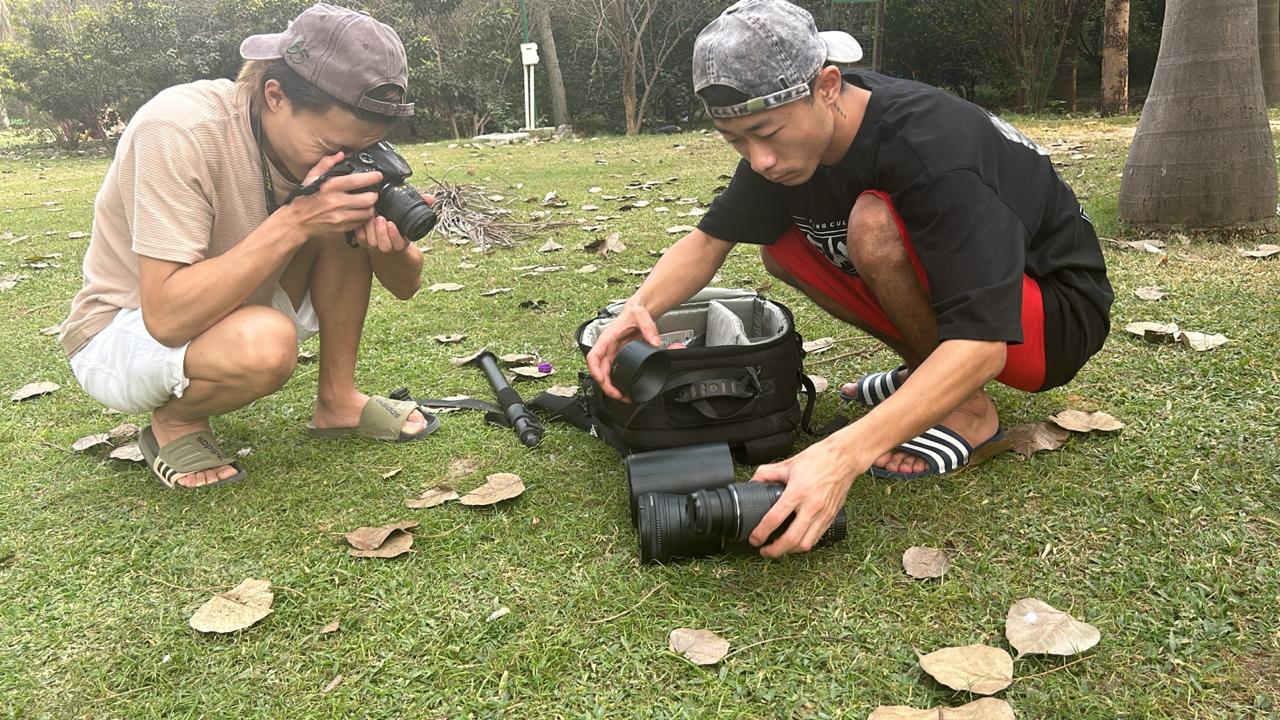 Hands-on camera and lens handling
 Media literacy and visual reference study
Focus areas
A broad public mandate, organized into practical workstreams.
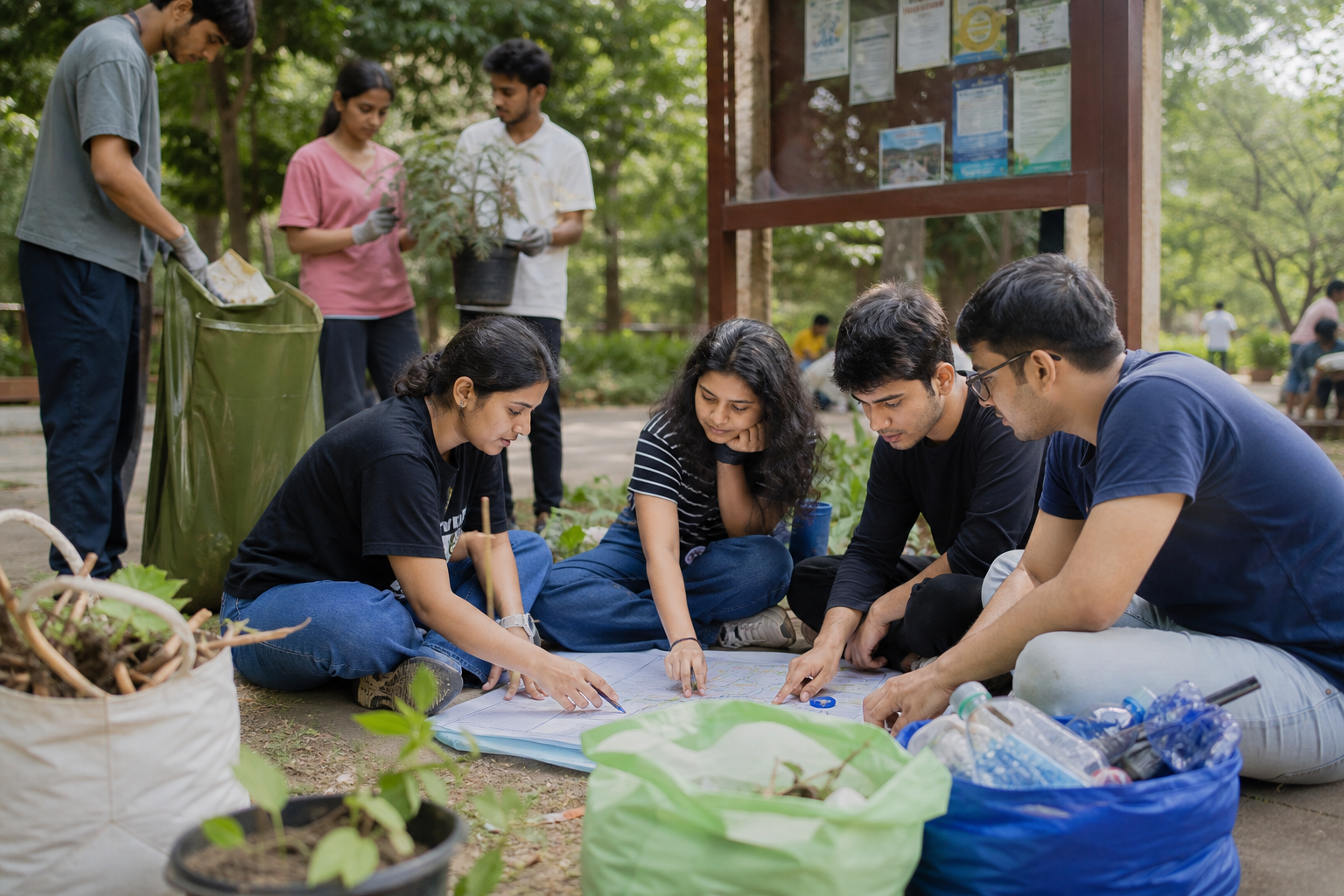
Youth development, civic issues, sustainability, water management, energy and solid waste management, health, rehabilitation, occupational safety, and nutritional security can all be activated through cohort-based training and field delivery.
01
Youth, civic action, water, energy, and sustainability
Build civic confidence, water awareness, environmental participation, solid waste awareness, and local problem-solving skills for young people.
Explore focus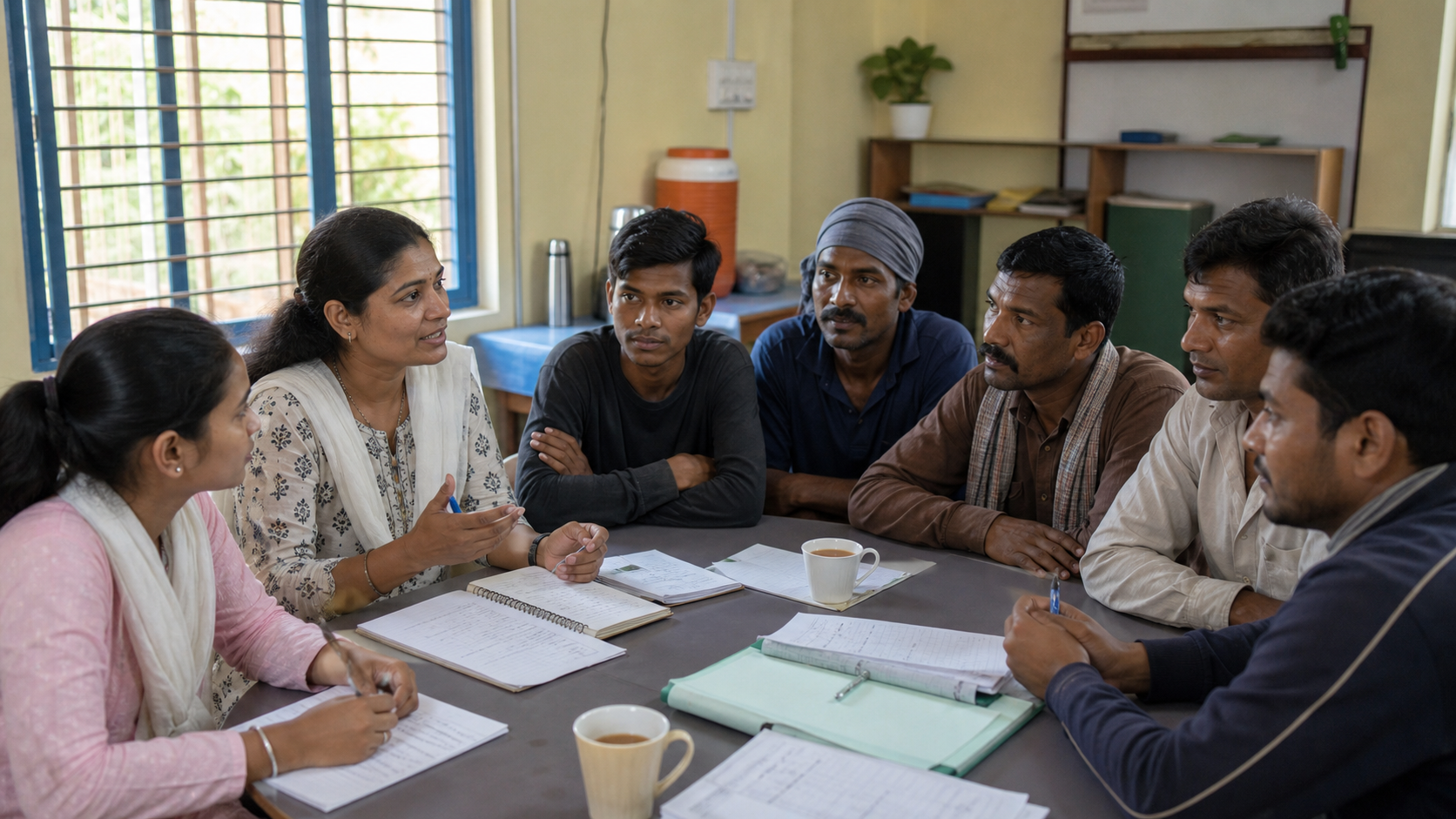
02
Rehabilitation and worker safety
Support migrant workers, people rebuilding stability, and communities exposed to occupational hazards.
Explore focus
03
Health and nutritional security
Turn protein deficiency, malnutrition, and household health into practical community education.
Explore focusFlagship academy
Four tracks, one livelihood promise.
The academy is designed as a pilot-ready platform that can run with municipalities, CSR partners, colleges, schools, and community organizations.
Green Livelihoods
Water stewardship, waste segregation, energy awareness, biomethane basics, circular economy, community mobilization, and environment monitoring.
- Waste-to-value field orientation
- Safety and citizen communication
- Energy and Solid Waste Manager role pathways
Community Health and Nutrition
Home-science-backed public education for households, women, children, institutions, and frontline community groups.
- Nutrition and household health awareness
- Occupational health and safety basics
- Train-the-trainer community sessions
AI-Enabled Employability
Applied AI, language learning, digital communication, trainer development, and job-readiness for first-generation learners.
- AI for everyday work and learning
- Trainer toolkits and lesson plans
- Communication and digital confidence
Creative Livelihoods
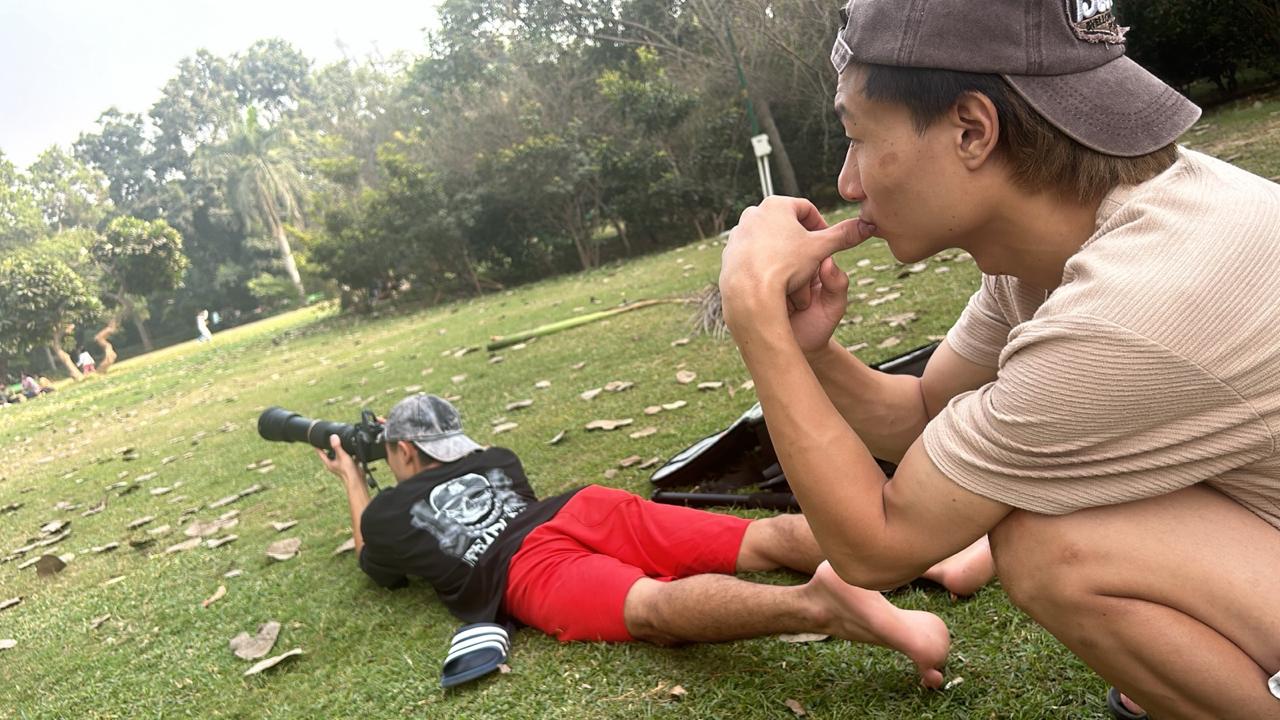
Photography, visual storytelling, media literacy, documentation, and portfolio-building for local creative income pathways.
- Field photography and observation
- Media reading and visual references
- Documentation for local stories and portfolios
Operating model
Train, certify, deploy, and learn from the field.
Each cohort is built around a measurable local need, not a generic workshop calendar.
01
Diagnose
Map the local problem, partner capacity, learner profile, and realistic income route.
02
Train
Run practical modules with field exercises, trainer support, and language-accessible material.
03
Deploy
Connect learners to community projects, institutions, employers, or micro-enterprise pilots.
04
Measure
Track completion, confidence, work outcomes, public sessions, and partner learning.
Field practice from Manipur: photography and visual storytelling as a livelihood skills pathway.
Pilot offer
Start with one cohort that proves the model.
A 30 to 50 learner pilot can focus on one city, district, college cluster, municipal ward, or CSR geography. The first pilot should produce training proof, partner proof, learner stories, and a clean measurement baseline.
Founding council
Science, health, governance, and scalable training.
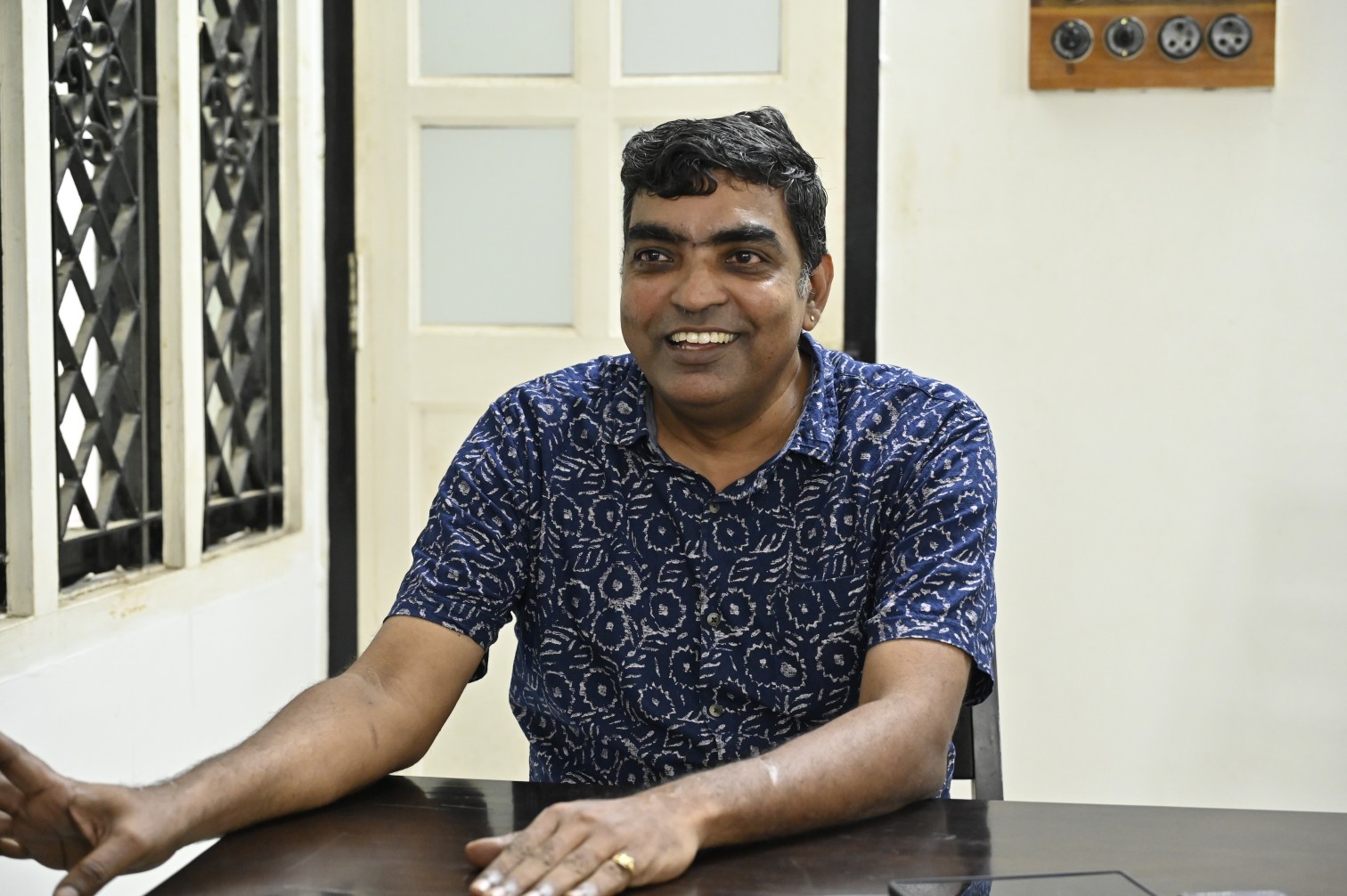
Dr. T.D. Babu
Environment and Coastal Systems
Marine biologist and environmental activist with deep experience in coastal ecology, aquaculture, mangroves, and public environmental education.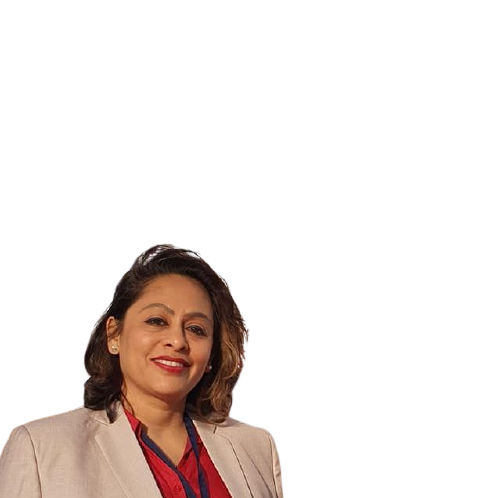
Dr. Roopa Rao
Health, Nutrition, and Community Learning
Associate Professor at the College of Home Science Nirmala Niketan, with long-standing work in ergonomics, public health, and community skill development.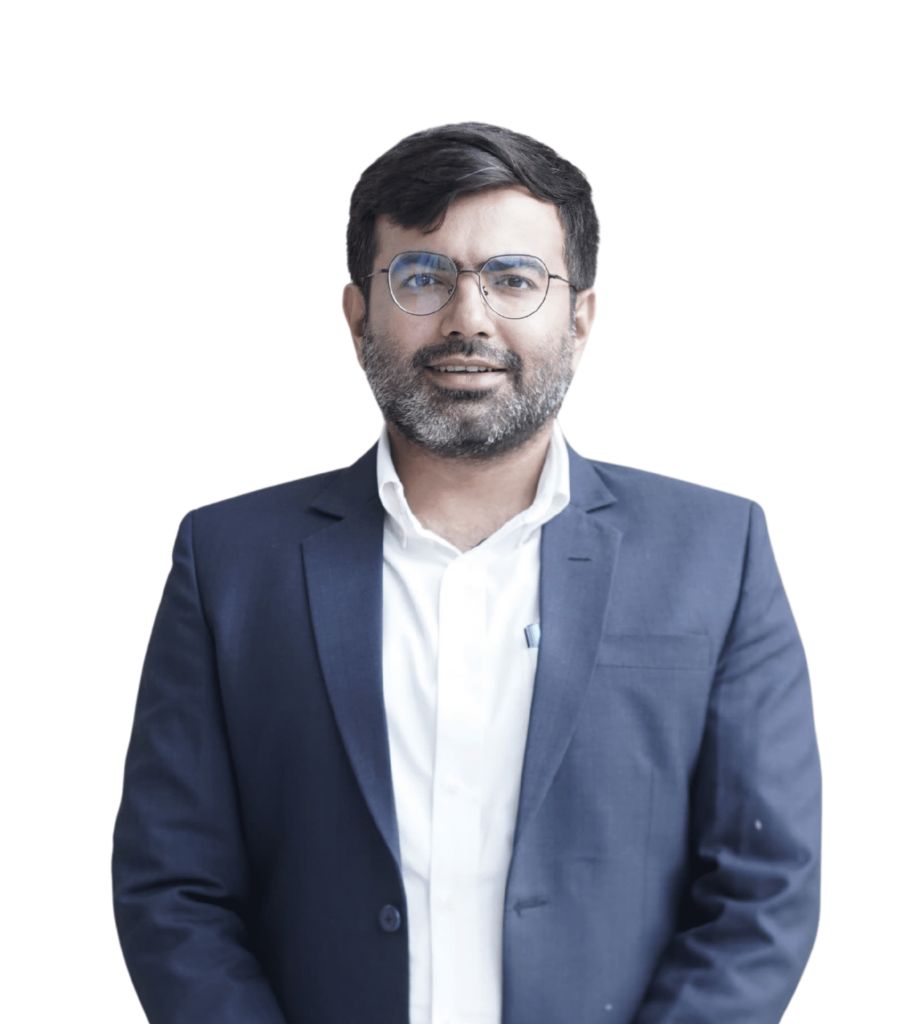
Aditya Madan
Government Partnerships and Field Implementation
Public policy and implementation professional with district development, waste management, innovation ecosystem, and partnerships experience.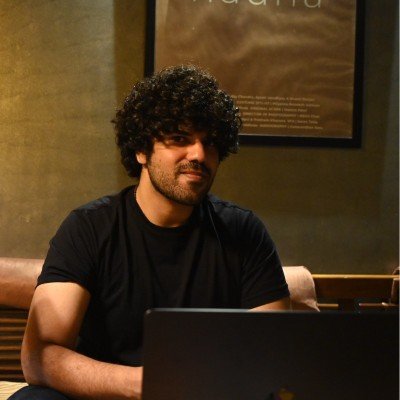
Vikram Rudhraksh
Training Systems and Applied AI
LSE alumnus and Compactum Media founder focused on scalable learning systems, language education, applied AI, and trainer enablement.Awareness is not enough. Communities need skills, income routes, and local systems that let them participate in India's clean and healthy future.
Sarthak Earth Foundation positioning statement
Work with us
Support a cohort, host a pilot, or bring the academy to your institution.
We are building the first pilot partnerships for green livelihoods, community health, and AI-enabled employability.