01
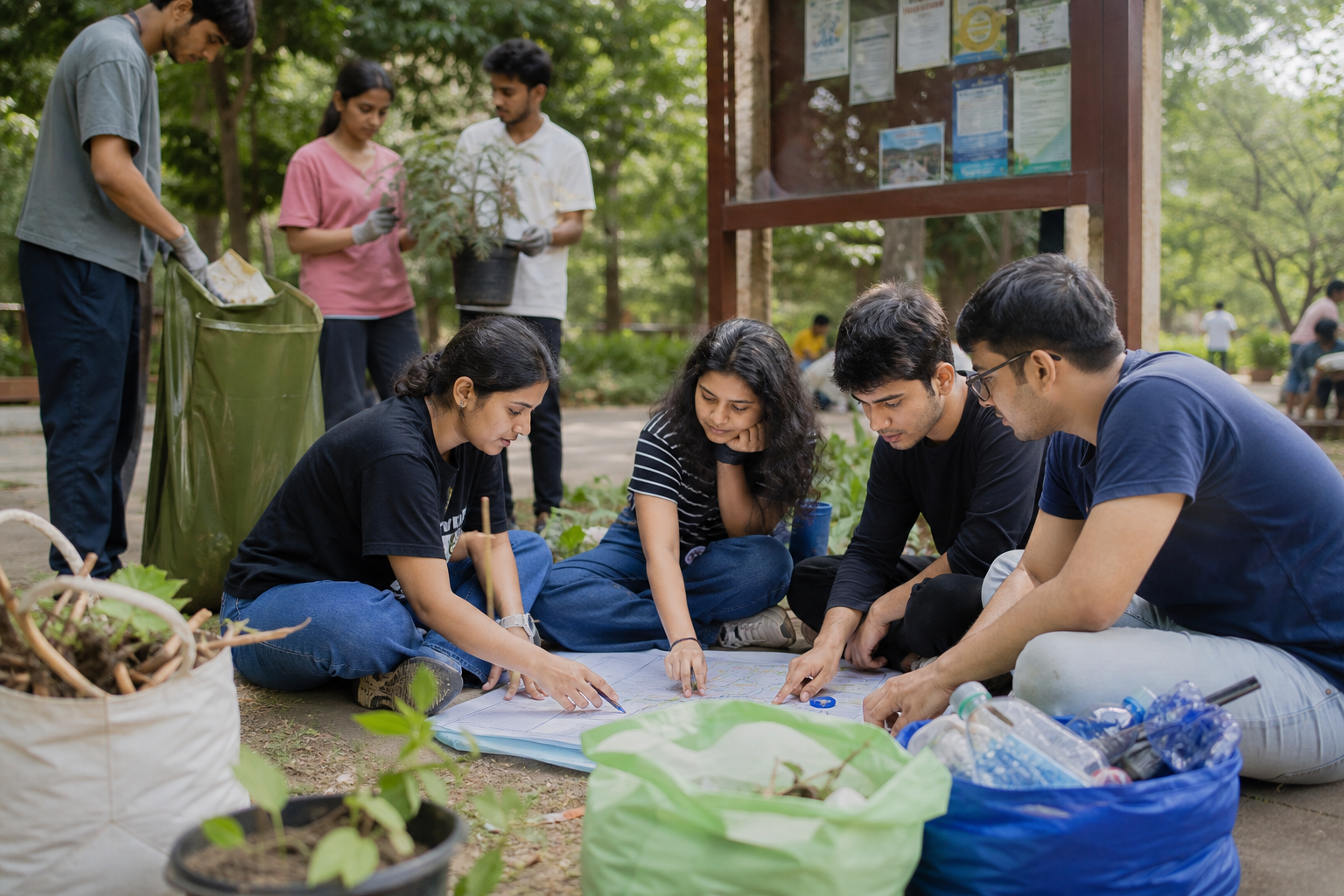
Youth Development and Civic Issues
Build confidence, communication, civic participation, problem-solving, and local leadership among underserved youth.
Focus areas
The foundation can work across multiple public problems, but the delivery spine stays the same: identify a local need, build useful skills, protect dignity, and connect people to better outcomes.
Strategic positioning
Build the capabilities underprivileged communities need to participate in a cleaner, healthier, safer, and more dignified economy.
Every focus area must translate into training, counselling, field work, public education, local enterprise, or partner-led deployment.
The first pilots should show learner attendance, completion, confidence, safety awareness, community sessions, placement pathways, and field stories.
Where we work
These pillars absorb the focus areas from the founding brief without making the organization look scattered.
Build confidence, communication, civic participation, problem-solving, and local leadership among underserved youth.
Train communities for conservation awareness, climate-responsible behavior, circular economy participation, and green livelihood pathways.
Prepare learners for Energy and Solid Waste Manager roles across segregation, ward-level audits, CNG, CBG, biomethane, and waste-to-value projects.
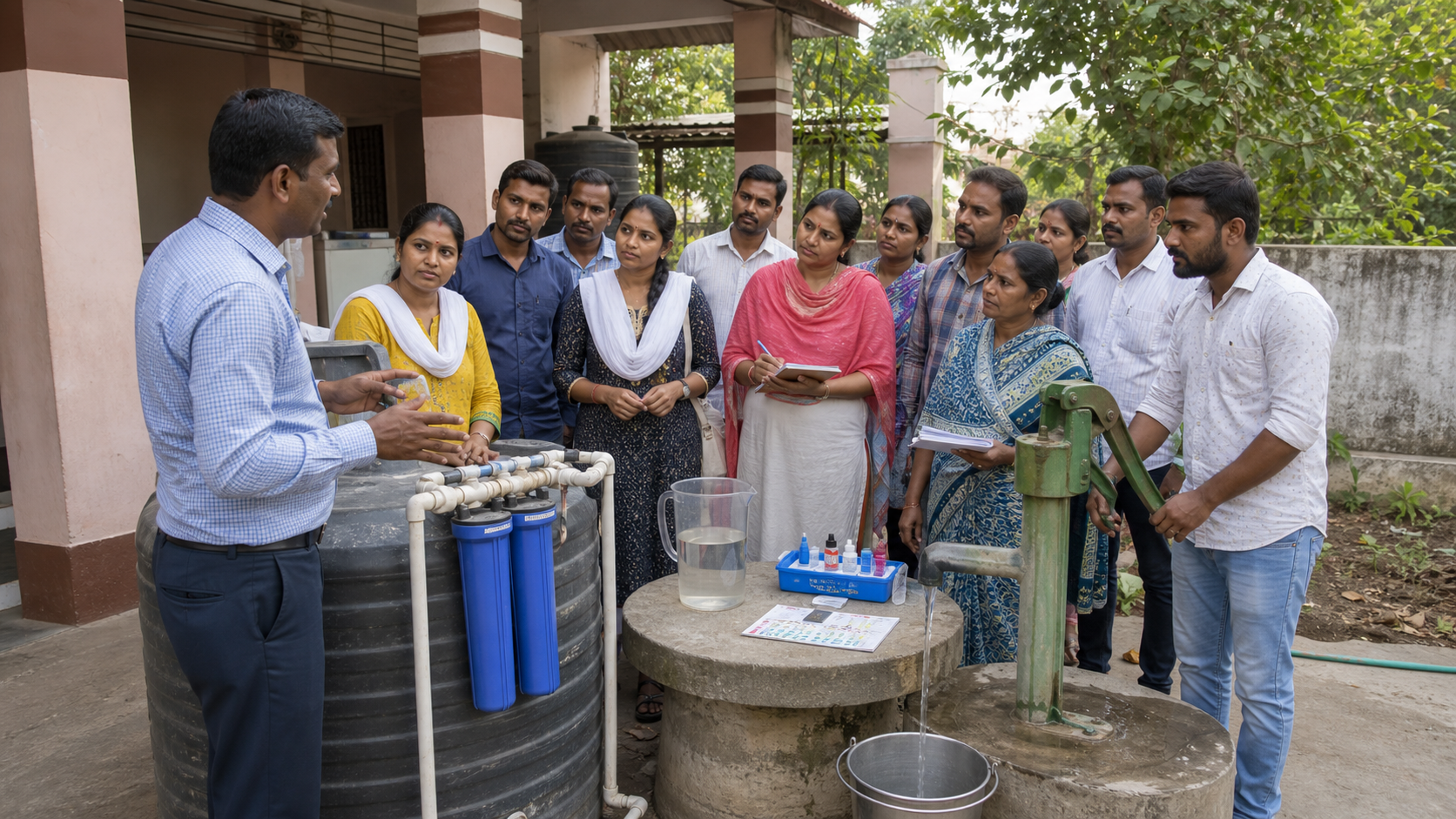
Train communities for water testing, conservation, rainwater harvesting, safe storage, filtration, and local water stewardship.
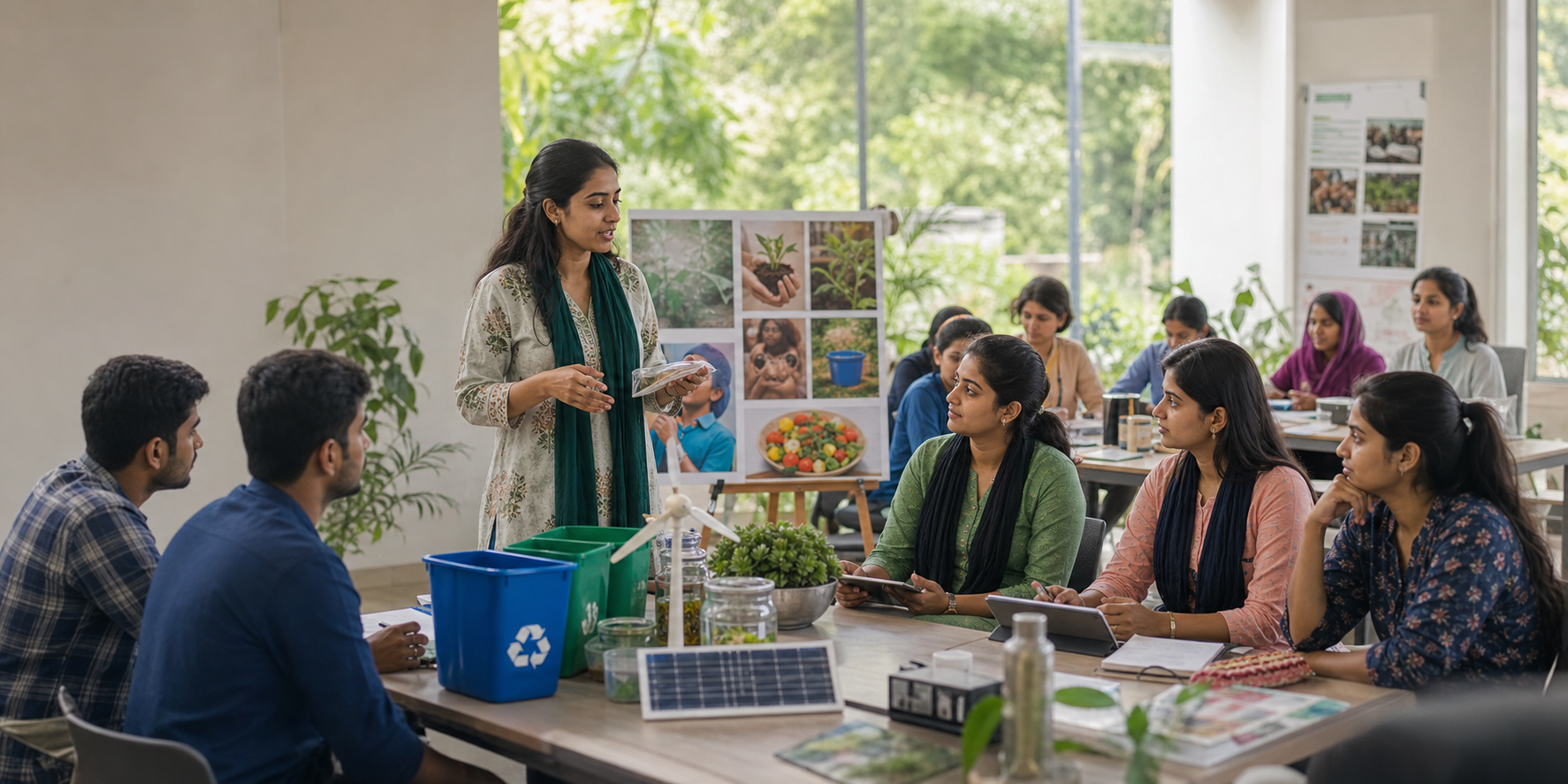
Support practical public education on health behavior, household wellbeing, community communication, and preventive care.
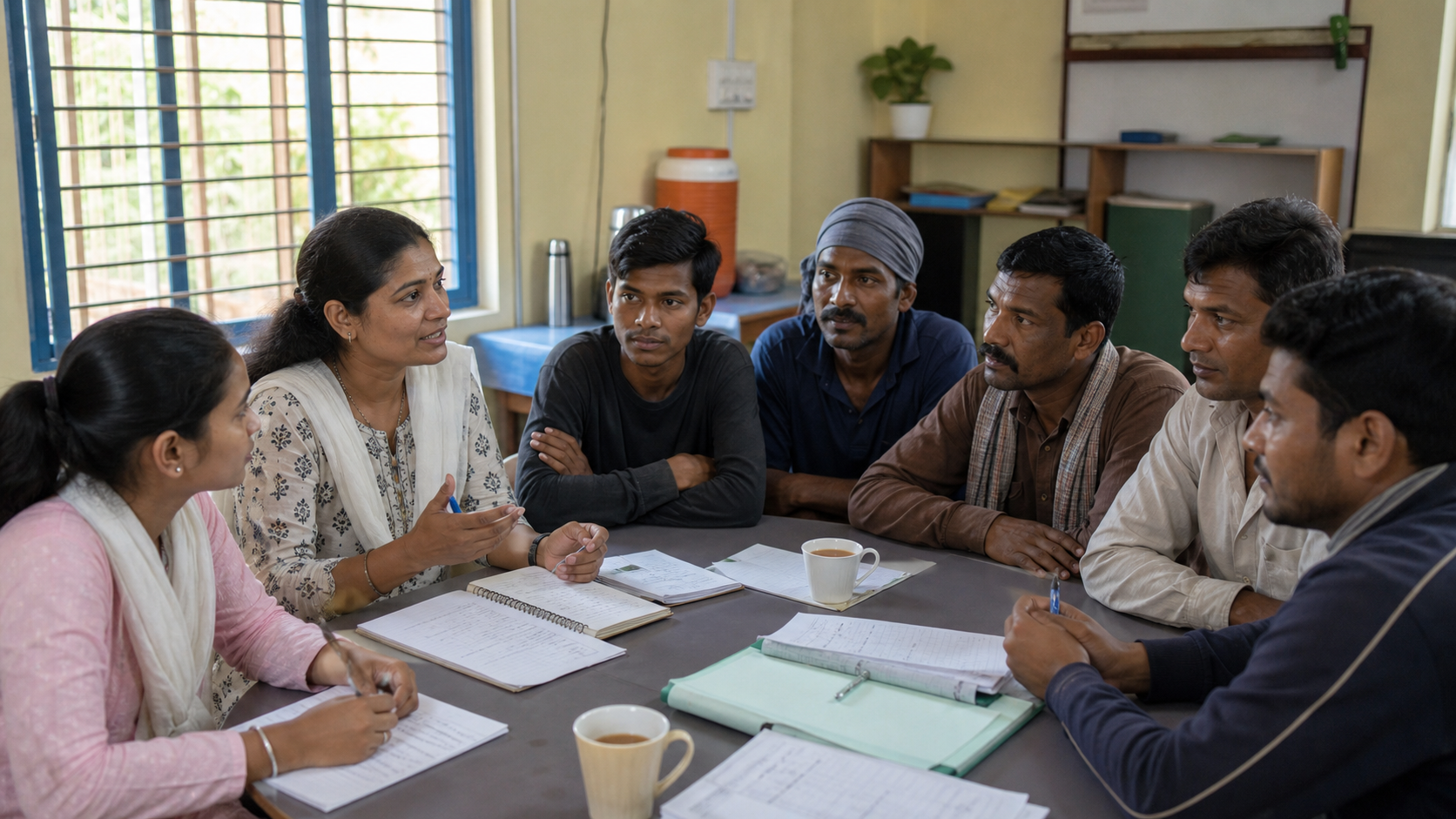
Offer dignified pathways for migrant workers, people recovering from addiction, and vulnerable groups rebuilding work and stability.
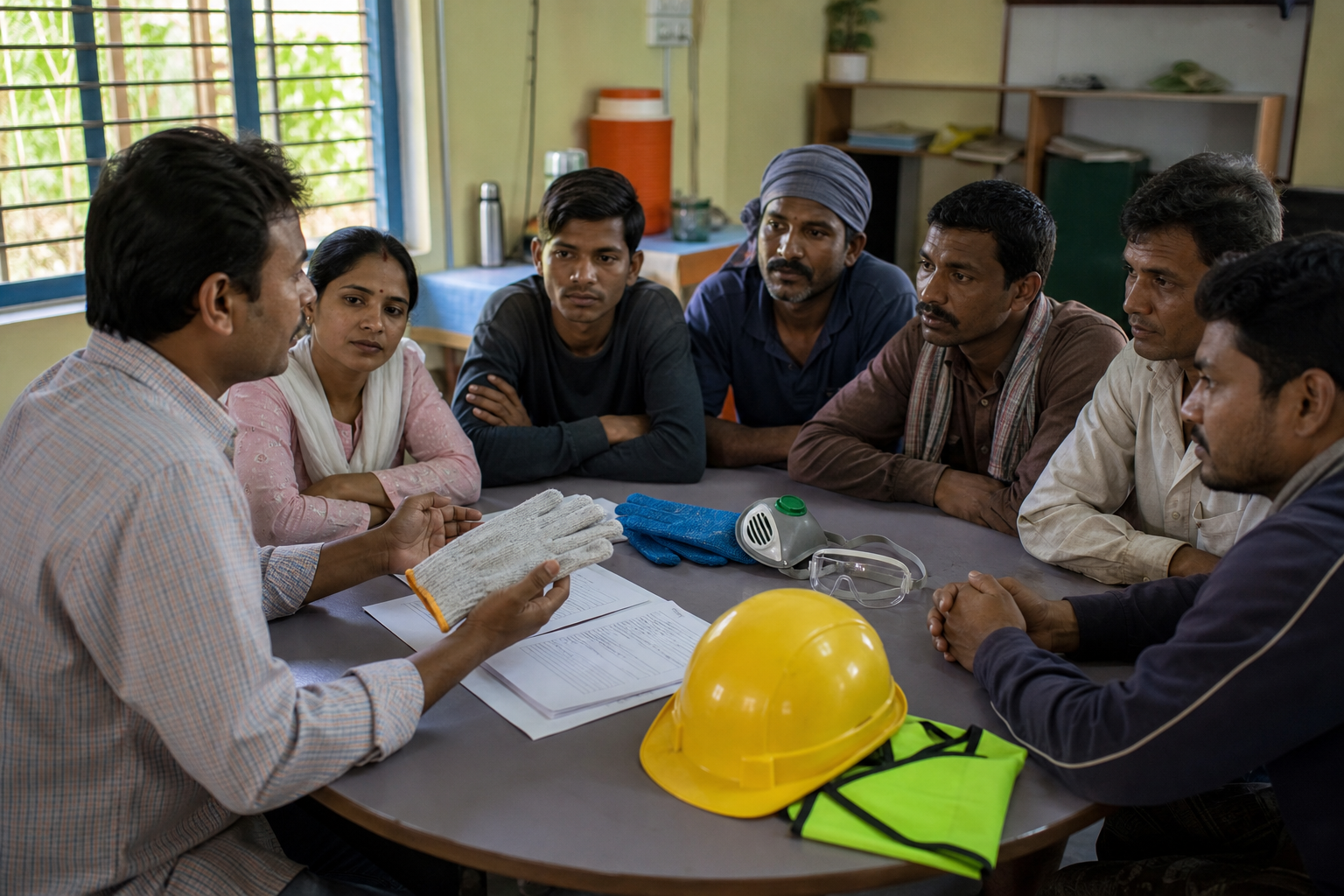
Equip workers and trainers with simple, repeatable safety knowledge for tools, waste work, field operations, and ergonomics.
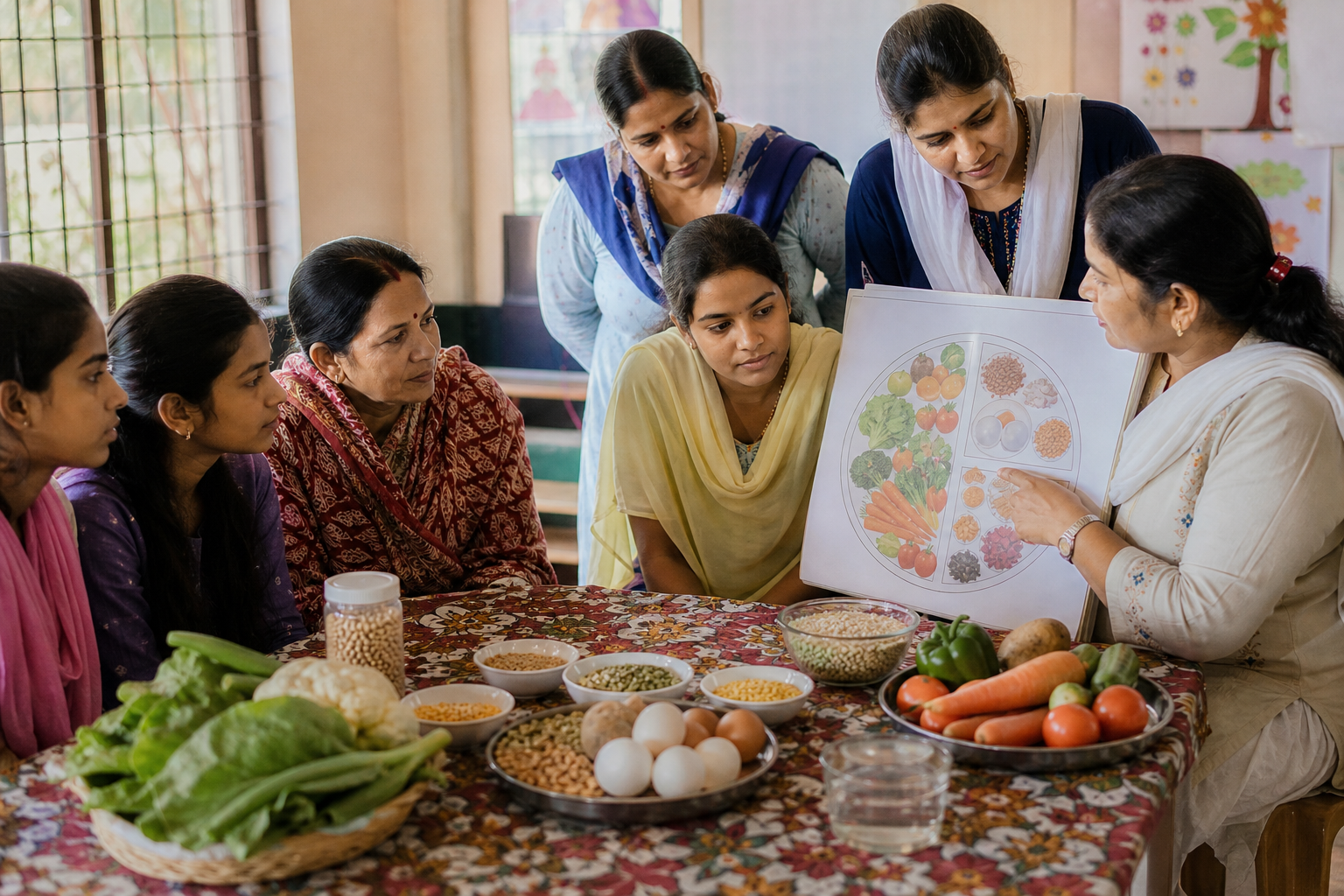
Address protein deficiency, malnutrition, household food behavior, and nutrition education for children, youth, women, and workers.
Delivery model
That keeps the organization credible with CSR partners, institutions, public systems, and donors.
Define the community, problem, behavior gap, and partner capacity.
Create local-language training, demonstrations, and field assignments.
Train learners, facilitators, community educators, or worker groups.
Measure confidence, completion, practical output, partner value, and next-step pathways.
Pilot design
The right first project is narrow, visible, and partner-backed: one geography, one learner group, one public problem, one outcome report.